<img height="1" width="1" style="display:none" src="https://www.facebook.com/tr?id=3003101069777853&amp;ev=PageView&amp;noscript=1">
Skip to content

Support when it matters most

The true test of your group medical insurance comes the moment someone needs it.
A delayed claim. An overseas emergency. A serious diagnosis. AES is built for those moments, so the work doesn't fall back to you when they arrive.


Real human support. Year-round claims management and advocacy. A trusted partner to HR.

How AES supports you and your employees in real situations

When a claim gets difficult, AES takes on the work.

That means:

  • Reviewing the situation properly
  • Clarifying what is and isn't covered, in writing if needed
  • Liaising directly with insurers and providers, so the employee doesn't have to
  • Escalating where escalation is warranted, with the leverage of an established consultancy relationship behind the request
  • Guiding the employee, and HR, through the next steps with clarity

In other words, we own the issue, not you.

This is what real health insurance claims support looks like when it's built into the consultancy relationship, rather than a broker treating it as an afterthought.

Close-up of leaf veins, reflecting connection, structure and natural resilience

Real-world situations AES helps with

These are the kinds of situations AES is most often brought into. In each case, the employee doesn't navigate alone. HR doesn't carry the resolution. AES does the work.
Prevent

AES clears approvals fast with the insurer and the hospital.

Don't assume your policy is performing as it should.

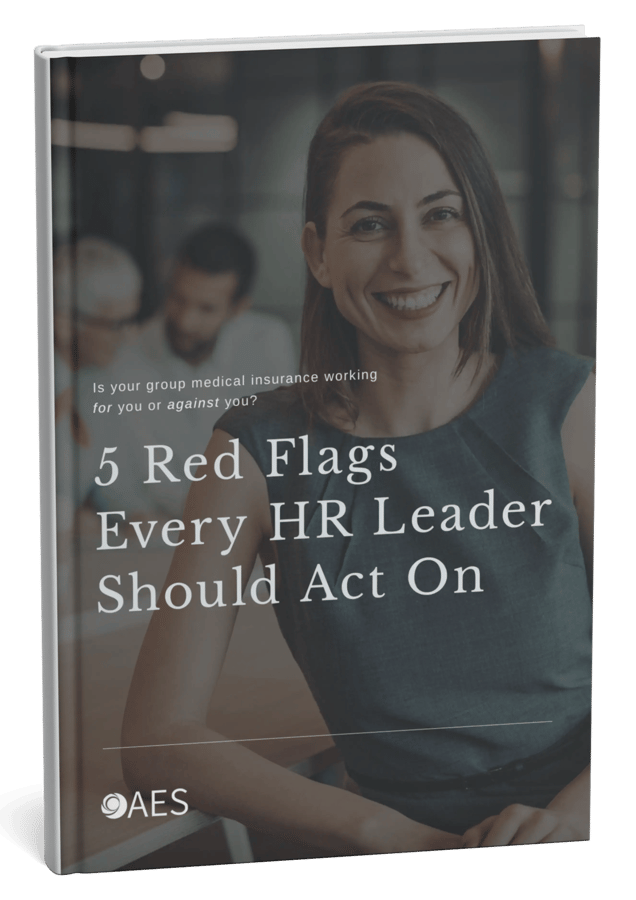
If you're responsible for employee healthcare, learn the five red flags that could be costing your business time, money and employee trust.

5 red flags

When claims don't go to plan

Most of the time, claims work. Sometimes, they don't. As a HR leader, you’ve likely experienced:

  • A treatment delayed for reasons nobody explains, or a claim rejected on a technicality
  • The hospital and the insurer giving different answers to the same question
  • An employee, often at the worst possible moment, not knowing who to call

Most broker relationships are structured around placement, not crisis, and the work tends to fall back to HR.

But the outcome is what employees remember.

Part of a broader support model

Claims support works because of everything
around it.

  • A well-designed plan creates fewer disputes
  • Our team gets to know your staff and builds up trust with them
  • Active management across the year means AES knows your employee healthcare strategy inside out before any crisis arrives
  • The relationship with insurers, built over time, gives the right calls the right weight

None of this is possible from a transactional broker relationship that activates only at renewal.

This is why corporate claims support, done properly, isn't a standalone service. It's a function of how the whole employee healthcare strategy is managed.

Why this matters long term

When claims support fails, the consequences don't end there.

Employees lose trust in their insurance coverage, and often in the employer.

  • HR carries the load of unresolved cases for months
  • Renewal conversations get harder because the insurer's data tells one story while your team's experience tells another
  • The cost of a single badly handled case shows up across years, in retention, engagement, and the everyday confidence employees have in the company's word

Good claims support compounds the other way.

  1. Trust grows
  2. Claims data gets used to improve the plan
  3. Employees use the system the way it was designed to be used

The benefits strategy actually performs, year after year.

FAQs

What is claims and crisis support in employee benefits?

Claims and crisis support is the help employees and employers get when a medical insurance claim becomes difficult, or when a health emergency strikes, rather than being left to deal with the insurer alone.

It covers the moments that matter most: a claim that's been rejected or delayed, a treatment that needs urgent approval, or a serious diagnosis where a family suddenly has to navigate the system under pressure.

Good claims and crisis support means someone experienced steps in on your behalf, reviews the case, deals directly with the insurer and hospital, and guides your employee through it.

With AES, this is handled by a dedicated in-house team offering real human support, so when something goes wrong, the burden doesn't fall on your employee, or on your HR team.