Finance leaders
A demanding role managing a major and unpredictable cost
For CFOs and finance directors in the Middle East, group medical insurance presents a particular kind of problem. It's one of the largest people costs on your balance sheet after salaries, it rises year on year, and yet it behaves like a black box: hard to forecast, hard to explain and hard to control.
You're expected to bring rigour, predictability and accountability to every line of spend. But employee healthcare often resists all three. Premiums climb without clear reasons. Renewals arrive as negotiations rather than plans. And the data you'd need to challenge the numbers properly is rarely on the table. It's easy to see why this cost gets treated as unavoidable rather than manageable.
As a finance leader, you're not looking for a cheaper policy. You're looking for control, visibility and a cost that behaves the way a well-managed cost should. Most CFOs we work with in the Middle East are dealing with the same underlying issues:
Regional medical inflation is running at double digits year on year. Without understanding what's driving your specific numbers, you're absorbing increases you can't interrogate.
Claims, usage, plan design and workforce demographics all shape your premium. None of them are visible in a renewal quote, which is why renewals feel like negotiations rather than informed decisions.
Most brokers appear at renewal, place a policy and disappear. There's no ongoing management of the cost, no accountability for how it performs over time.
Cutting cover to reduce a premium often increases long-term cost, through poorer health outcomes, higher claims and lower retention. Finance leaders are rarely shown that full picture.
Employee healthcare spend is often managed separately from workforce planning, productivity and retention, when in reality they're deeply connected.
Without a structured approach, you can't model this cost with any certainty, which makes budgeting and board reporting harder than they should be.
Traditional insurance broking wasn't built to give you what you need. Placing a policy once a year does nothing to control a cost that moves every day. What finance leaders need is a partner who manages the system over time, brings the data, and treats employee healthcare as a cost to be understood and managed, not simply renewed.
Real cost control doesn't come from negotiating once a year. It comes from managing better all year. Understanding your claims trends. Designing the plan around how your workforce actually uses it. Investing in prevention so claims fall before premiums rise. Treating renewal as the outcome of a year's work, not a one-off event.
Our breakthrough four-step methodology sets us apart from ‘traditional’ insurance brokers. This unites highly tested, personalised employee benefits planning, with an unparalleled commitment to serve your staff with their medical needs.
Our objective is to learn about you; your goals and objectives; so we can understand IF and HOW we can help you. If we can’t help – we’ll do our best to point you in the direction of someone who can.
Shortly after the 15-minute Discovery Call, you’ll meet with an employee benefits consultant to talk more about your goals. Together, you’ll discuss your vision, past experiences, budgets and objectives, so your consultant understands what matters to you most. You’ll likely discover some valuable insights and learn about the advantages of choosing AES.
Now comes the first decision – the time to make a commitment. We’ll formalise the relationship with a Client Agreement, introduce you to our team, and then begin work on crafting your new plan.
Become excited as imagination becomes reality. Visualise your options and discover how AES can make this happen. Your plan lays out a detailed picture of your ideal future and the things important to you and your company. This is presented to you and refned along with your historic and current claims data. Before making your final decisions, you’ll explore three areas: the budgets you have, the benefts you want and the management plan moving forwards to enable you to get the results you want.
We’ll now organise your account paperwork, confirm you’re comfortable with the relationship, and address any outstanding issues. A great deal of implementation then takes place. To ensure you’re staying on track and meeting your goals, we’ll review your progress (including your claims data) on a regular schedule and remain on call for anything you or your employees need in between. Things happen, so we’ll use these meetings to makeany minor adjustments to your plan.
For most finance leaders we work with, one question stands out: "Is this cost being managed, or simply paid?"
That question can be answered with clarity. Through a structured review of your current plan, your claims data and your workforce, we show you exactly what your employee healthcare is costing, what's driving those numbers and where the opportunities for sustainable control sit, so you can forecast with confidence and defend the spend with evidence.
But before we look at a single number, we understand the business. What you're trying to achieve, the pressures you're under and how this cost connects to the wider picture. That's how we build an approach that keeps costs sustainable without value falling away.
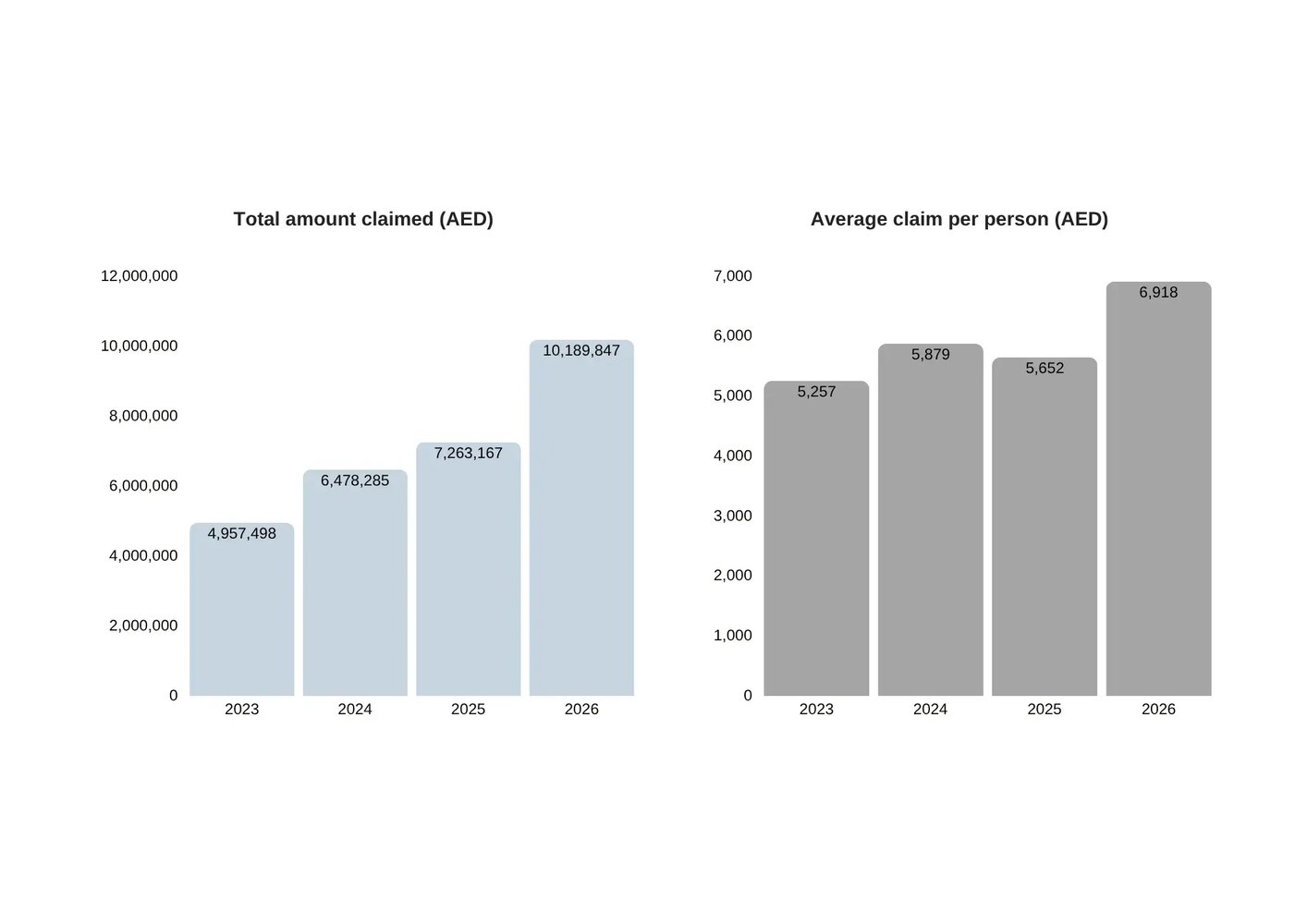
Great employee benefits consulting is like an iceberg, with most of the real story happening below the surface. If you're in charge of securing great costs and benefits for your company of 20 employees or more, book a free initial chat. We'll help you get a feeling of clarity, confidence, and control.
CFOs work with AES because it treats employee benefits as a cost to be managed strategically, not simply a premium to be paid each year. Employee healthcare is often one of the largest and least-controlled lines in the people budget, rising year after year with little visibility into why. AES changes that: as an employee benefits consultancy, it analyses your claims and utilisation data to understand what's actually driving cost, designs the plan around real usage, and invests in prevention so claims fall before premiums rise.
Renewal becomes the outcome of a year's work rather than an annual shock. For finance leaders, that means sustainable costs, genuine visibility, and benefits spend that delivers measurable value rather than quietly escalating.
Controlling employee healthcare costs sustainably means managing the plan all year, not negotiating harder once at renewal. Group medical insurance premiums are driven largely by claims, and claims are driven by how the plan is used, how it's designed, and the health of your workforce, none of which shows up in a renewal quote.
AES analyses your claims and utilisation data to see exactly what's driving cost, redesigns the plan around real usage, and invests in prevention to reduce claims over time. This turns cost control into an ongoing discipline rather than an annual battle, keeping premiums sustainable without simply cutting cover, which usually just shifts the cost onto your employees.
Claims and utilisation data is the single most powerful tool for controlling benefits spend, because it shows exactly where your money is going and why. Without it, employers are effectively renewing blind, accepting premium increases with no insight into what's causing them.
AES analyses your data to identify the real cost drivers, high-cost claim types, patterns of usage, areas where the plan is poorly matched to your workforce, then uses those insights to redesign the plan and target prevention where it will actually reduce future claims. The result is evidence-based decisions rather than guesswork, and a benefits spend that's actively managed down over time instead of passively rising.
Many employers are overpaying for employee benefits without realising it, because they renew each year without insight into whether their cost reflects genuine value. Signs of overpaying include premiums rising steadily with no clear explanation, a plan that hasn't been redesigned around how your workforce actually uses it, and accepting the insurer's renewal figure without benchmarking or challenging it.
The way to find out is to analyse your claims data and assess whether your current cover and cost are genuinely aligned to your workforce's needs. AES does exactly this, giving finance leaders a clear, evidence-based view of whether their benefits spend is working as hard as it should, and where cost can be reduced without weakening the value employees receive.
Measuring the return on employee benefits means looking beyond the premium to the value it delivers across the business. Well-managed benefits reduce costs that rarely appear on the benefits line: lower absence, better retention (and the significant cost of replacing people), improved productivity, and, through prevention, fewer and smaller claims over time.
AES helps finance leaders see this fuller picture, using claims and utilisation data to track how the plan is performing, and connecting investment in protection, prevention and financial well-being to measurable outcomes. Rather than treating benefits as a fixed cost to be minimised, this lets you manage them as an investment that can be optimised, controlling spend while strengthening the workforce it supports.